
MEDIEVAL FACES
The power of an expression

I was in Berlin this week to watch a rock show. But you can’t (or shouldn’t) go to Berlin without diving into the art galleries and museums. This is a piece about what I saw at the Bode-Museum, which for my money has one of the best medieval collections in the world. But it’s also a reflection on some of the things I learned from writing historical fiction. That’s timely, because Lion Hearts, the third instalment of my Essex Dogs, comes out in UK paperback next week. You can pick it up here.
When I first started writing historical fiction, I found I was very lonely.
I had plenty of ideas - key scenes, snatches of dialogue, a clear sense of the structure of the story that became the Essex Dogs trilogy. What I didn’t have was the people who were going to live the story. The characters.
It was not clear how I was going to find them - or to allow them to find me.
Then I had a brainwave. I needed faces.
I can remember the day I spent looking for the faces that would belong, for a time, to the characters in those novels. To find them I pulled from my shelves a ton of large-format medieval and early modern art books - Jan van Eyck, Leonardo da Vinci, Albrecht Dürer and so on. Then I sat on the floor of my office and leafed through the pages until individuals called to me from them.
That was how we had the first Loveday:
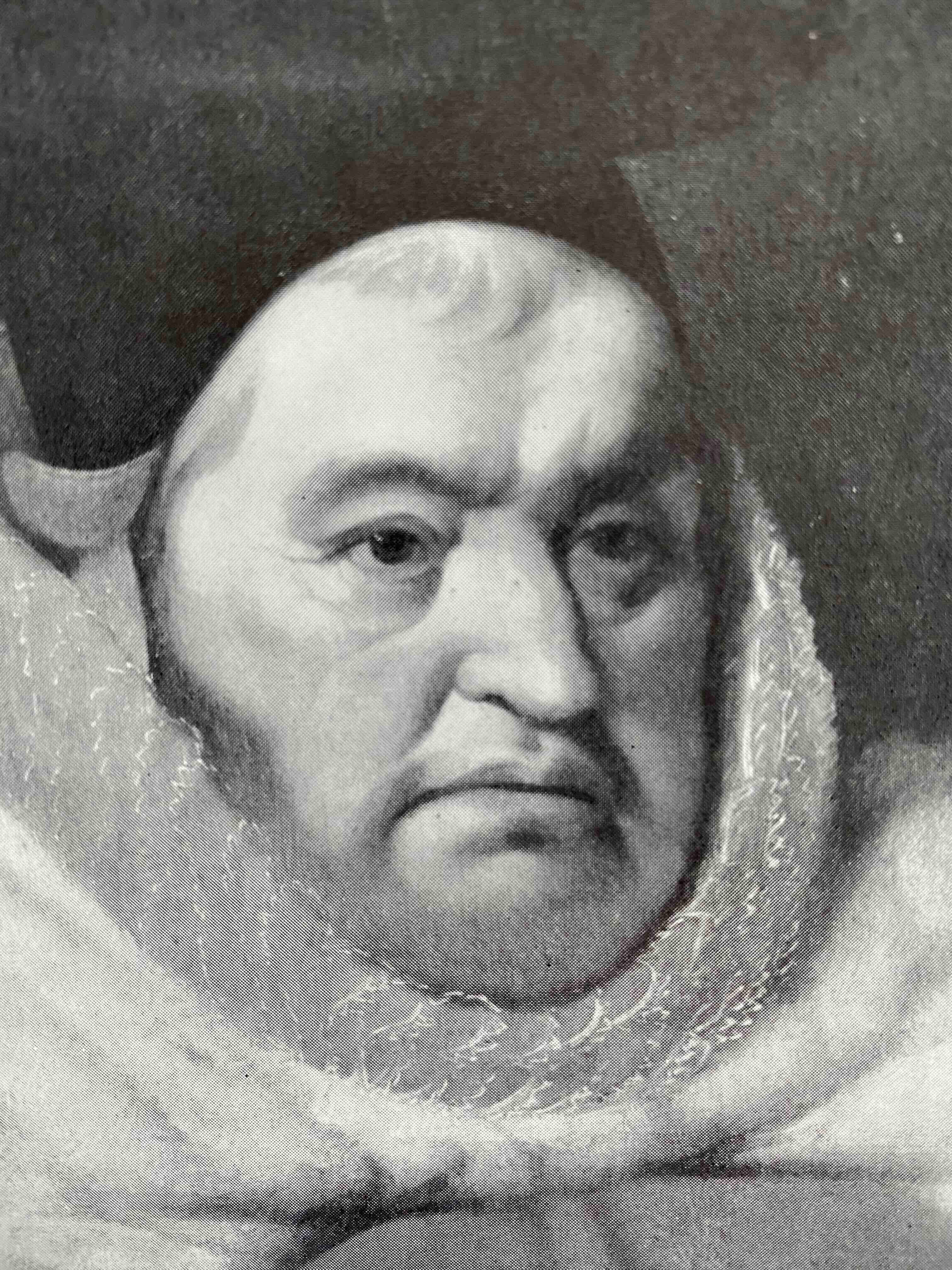
And Scotsman:
